
¿QUÉ ESTÁS BUSCANDO?
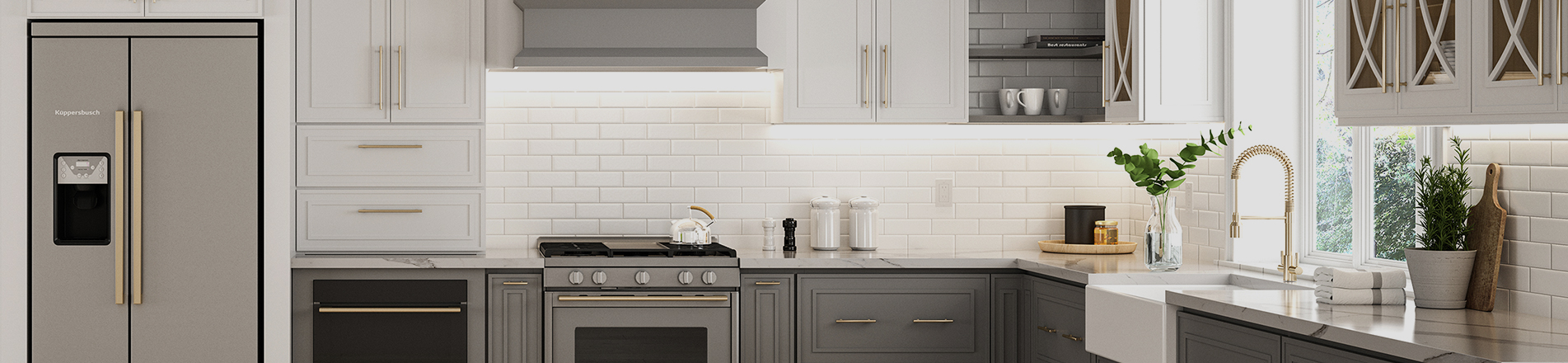
Modern minimalist styles are hugely popular among young people. Thanks to their clean‑lined and generous aesthetics, flat‑panel cabinets are in high demand. They are the preferred choice for large‑scale commercial projects as well as kitchen renovation and remodeling jobs. While flat cabinet doors alone deliver minimalist beauty, extensive use of flat‑panel cabinetry can feel monotonous and fail to harmonize with the overall design theme. How to make flat‑panel cabinets look better?
The premium feel of flat‑panel cabinets does not rely on intricate carvings or flashy ornamentation. Instead, it stems from carefully selected materials, standardized manufacturing processes, meticulous detail handling, and thoughtful color matching. Master these elements, and flat‑panel cabinets will shed their dull appearance, elevate the overall style and grade of the space effortlessly.
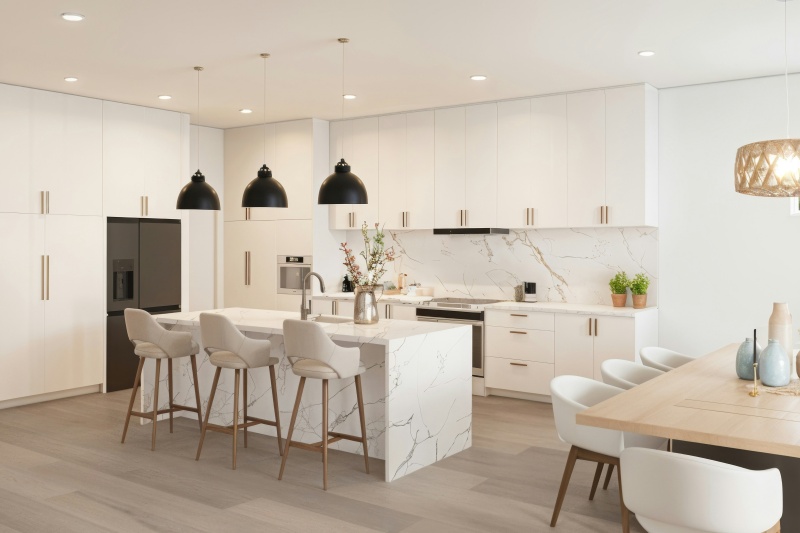
Material & Finish Optimization
The texture of flat‑panel cabinets is first determined by substrate materials and surface finishes. Since flat panels have no decorative moldings to conceal flaws, surface flatness, gloss uniformity and tactile feel directly define the cabinetry’s overall quality. Poor material selection is the primary cause for flat‑panel cabinets to look ordinary.
1. Preferred Cabinet Substrates
Different substrates show significant differences in flatness and stability, which form the foundation for flawless flat‑panel construction. High‑grade flat‑panel cabinets prioritize substrates with superior flatness and low deformation rates to avoid warped panels and uneven edge‑banding that ruin visual appeal:
2. High‑End Finish Combinations
Finishes directly govern the light‑and‑shadow texture and tactile experience of flat panels. Many customers blindly pick high‑gloss finishes; yet these easily show fingerprints, create chaotic reflections and magnify material imperfections. Ultra‑matte finishes, by contrast, can look dull and lifeless. For better‑looking flat‑panel cabinets, soft‑touch finishes are highly recommended. They deliver delicate touch, fingerprint resistance and scratch resistance, with soft, even light refraction that greatly enhances premium visual quality.
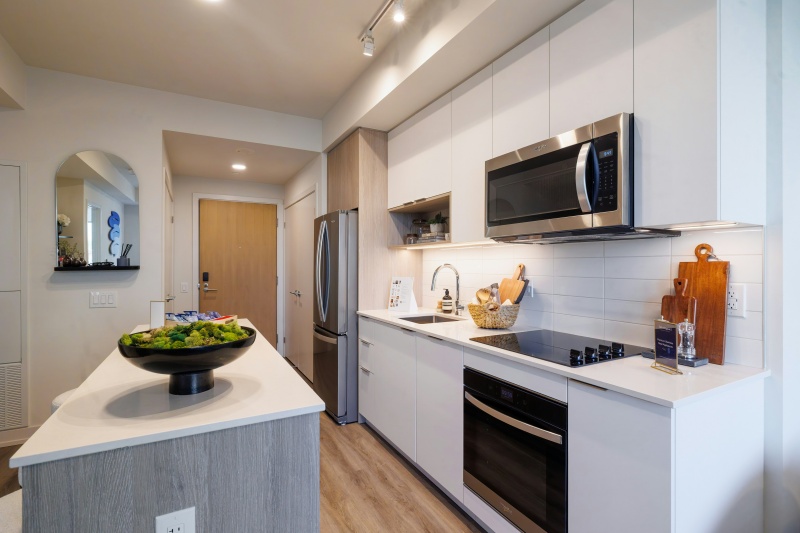
Color‑Layer Matching to Relieve Monotony
The biggest drawback of full flat‑panel cabinetry is the lack of visual hierarchy. Large continuous solid‑color flat surfaces readily cause visual fatigue. Layered matching via color contrast, gradients and partial panel splicing preserves minimalist character while enriching visual effects for better‑looking flat‑panel cabinets.
1. Classic Two‑Tone Combinations
Two‑tone splicing is the most mature, low‑risk optimization solution for flat‑panel cabinets. It effectively divides spatial layers and strengthens three‑dimensional perception for richer visual depth.
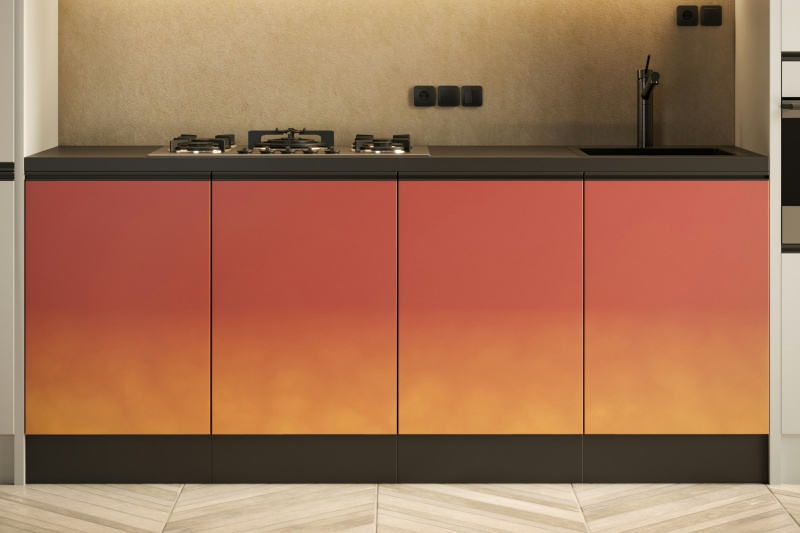
2. Partial Color Splicing & Custom Gradients
Hardware & Edge‑Banding Craftsmanship
Beauty of flat‑panel cabinets lies in extreme minimalism. Most disappointing flat‑panel builds stem from messy details and poor workmanship. Overlooked edge‑banding and hardware selection separate high‑end cabinetry from ordinary cabinet units.
1. Standardized Edge‑Banding Profile Treatment
Flat cabinet doors have no decorative moldings, so edge‑banding profiles dominate overall texture. Our Vietnam‑based cabinet factory adopts laser edge‑banding technology. Lasers instantly melt the functional layer of edge‑banding strips for seamless fusion, producing zero glue‑lines and high bonding strength. It fits commercial projects with strict requirements for appearance and environmental‑friendliness to elevate flat‑panel visuals. Avoid bulky beveled edges and irregular edge‑banding. Defects such as uneven edges and glue overflow will destroy the crisp, clean look of flat‑panel cabinets.
2. Handle‑Free Hardware Systems
Exposed handles break the integrated flat‑panel surface and fragment visuals. Upgrading to handle‑free hardware is the most efficient way to improve flat‑panel cabinet aesthetics.
If handles are functionally mandatory, select ultra‑thin linear matte‑metal handles. Reject fancy bulky styles and follow the core principle of “low‑profile, integrated appearance”.
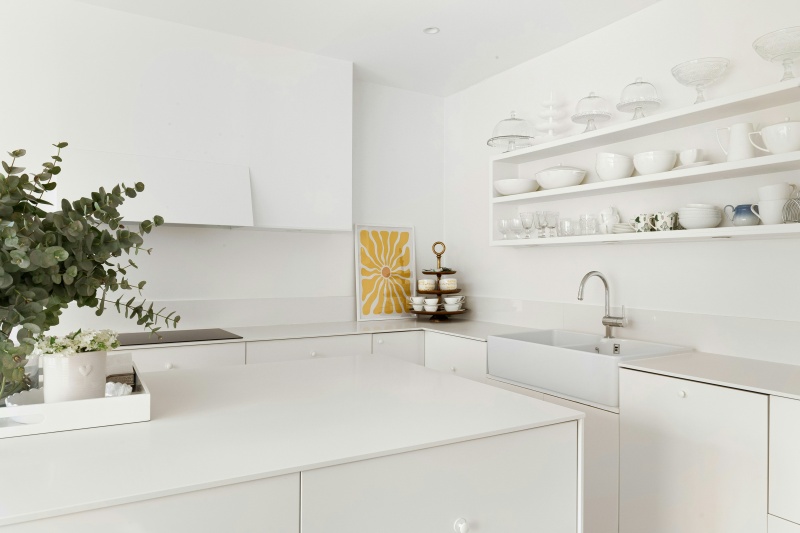
Lighting Layout: Build Three‑Dimensional Depth with Soft Ambient Light
Flat panels are single‑plane structures inherently lacking light‑and‑shadow variation. Auxiliary lighting injects dimensionality and warmth into flat‑panel cabinetry. It is one of the most cost‑effective, high‑impact premium decorative techniques for better‑looking cabinets.
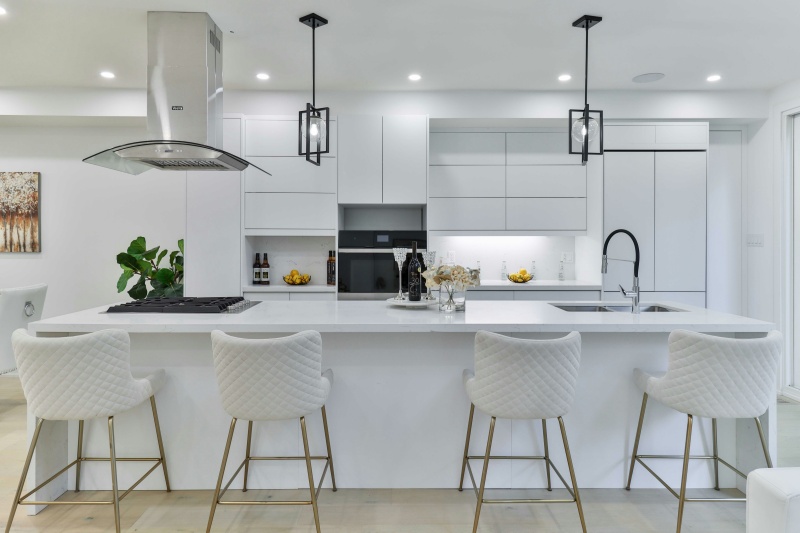
Standardized Proportion & Layout: Avoid Visual Clutter
Premium‑looking flat‑panel cabinets rely on well‑ordered spatial proportions. Irregular panel divisions and mismatched dimensions are major causes for cheap‑looking, chaotic cabinetry. To achieve superior‑grade flat‑panel cabinets, strictly follow proportional‑aesthetics rules.
1. Uniform Door Sizes
Flat‑panel cabinet design adheres to “uniform specifications, consistent gaps”. Doors within one cabinet run maintain identical height, with door‑to‑door gaps precisely controlled at 2‑3 mm (custom‑industry standard gap) for neat, consistent lines. Avoid random mismatched door heights and widths that break flat‑panel continuity.
2. Vertically‑Oriented Layout
For full‑wall large‑scale flat‑panel cabinetry, prioritize vertical panel divisions and minimize horizontal splits. Vertical lines visually lift ceiling height, deliver tall, stately cabinet silhouettes and suppress oppressive, fragmented visuals caused by excessive horizontal segmentation.
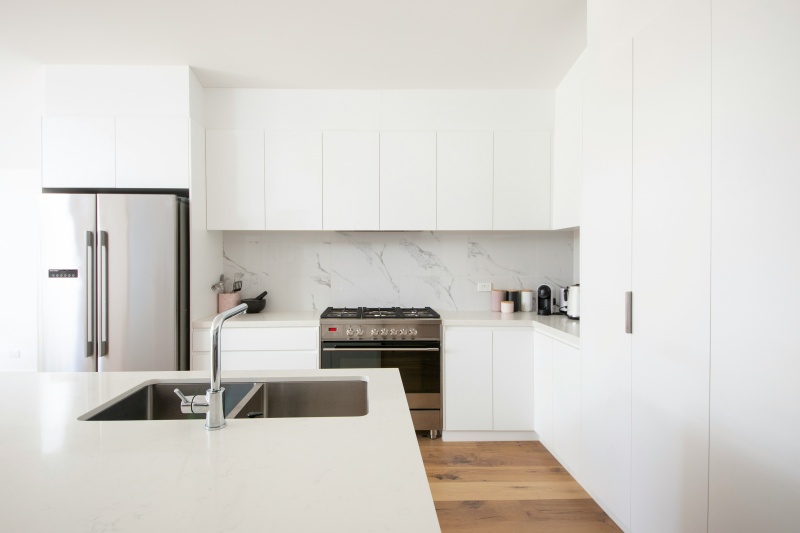
Spatial Matching & Soft‑Furnishing Coordination
Flat‑panel cabinets cannot exist in isolation. Their visual appeal depends on proper coordination with countertops, backsplashes, flooring and soft furnishings. Even exquisitely‑built cabinets will look disjointed if mismatched with surrounding space. Thoughtful coordination is essential for great‑looking flat‑panel cabinets.
1. Countertop & Backsplash Matching Tips
Light‑toned flat‑panel cabinets pair well with light‑gray marble or quartz countertops and minimalist matte backsplashes to sustain clean, unified space tones. For dark‑toned wood flat kitchen cabinets paired with white quartz countertops, light‑dark contrast offsets heavy visual weight. Steer clear of heavily‑patterned countertops and backsplashes, which create visual conflict against minimalist flat‑panel styling.
2. Soft‑Furnishing Echo Design
Textiles, ornaments and case goods inside the room should echo cabinet colors, materials and textures: wood‑grain cabinets coordinate with natural‑wood‑style soft furnishings; matte‑gray cabinets match modern‑luxury decor. High consistency in texture and hue greatly lifts overall space sophistication.
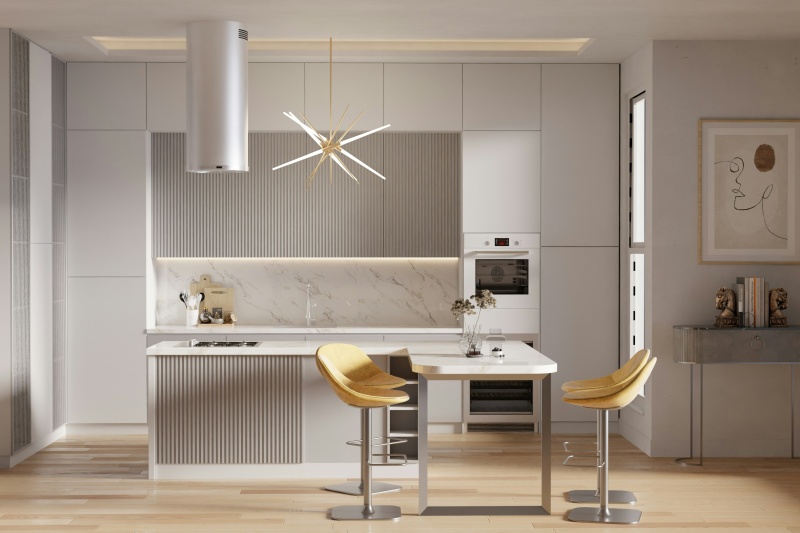
Conclusion
The beauty of flat‑panel cabinets represents high‑level minimalism: prioritizing details over ornamentation. To upgrade flat‑panel cabinet aesthetics, complex decorations are unnecessary. Optimize across six core dimensions: premium materials and finishes, layered color schemes, refined hardware craftsmanship, soft lighting ambience, standardized proportional layout, and integrated spatial coordination.
Move past monotonous homogeneous designs. With professional custom craftsmanship and systematic design logic, flat‑panel cabinets shake off stereotypes of dullness and cheapness, delivering crisp, refined, high‑texture interiors that perfectly satisfy modern‑home aesthetic and practical requirements.
As a cabinet supplier, Union Woods offers not only flat‑panel cabinets but also other popular shaker and slim shaker‑style cabinets at factory wholesale prices.


 Hoja informativa
 English
 IPv6 RED SOPORTADA