
¿QUÉ ESTÁS BUSCANDO?
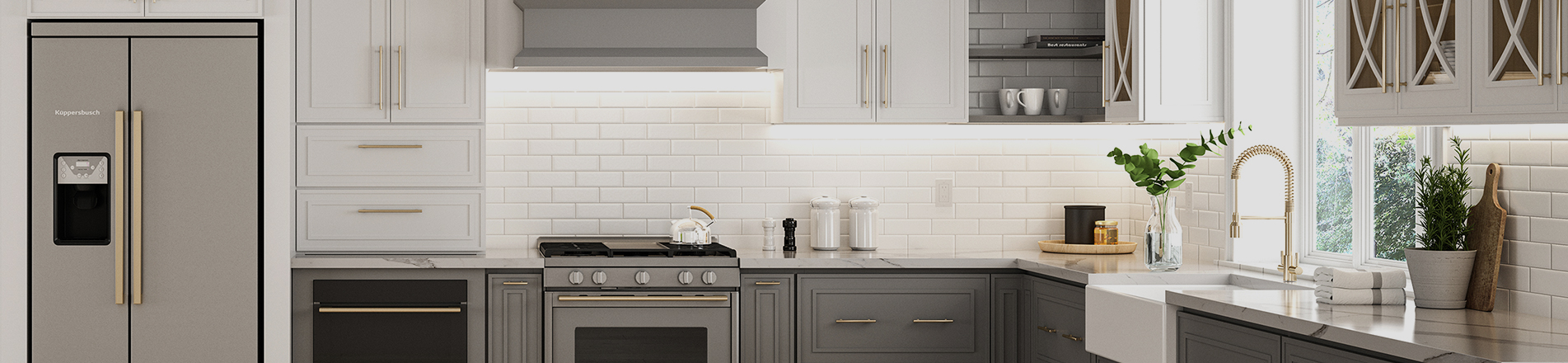
A small kitchen is actually one of the trickiest spaces to design in home renovation. Due to its limited footprint, it cannot accommodate elaborate designs like an open-plan kitchen. For compact cooking areas under 8 square meters, ergonomic functionality and smooth traffic flow rely heavily on pre-planning. A flawed layout will greatly compromise the user experience.
Besides layout, cabinet color is also crucial. The right color choice prevents the cramped space from feeling visually oppressive. Small kitchens leave little room for errors, and many post-renovation regrets can be avoided from the very start. So what design pitfalls should you steer clear of in a small kitchen?
Part 1: Layout & Traffic Flow Mistakes
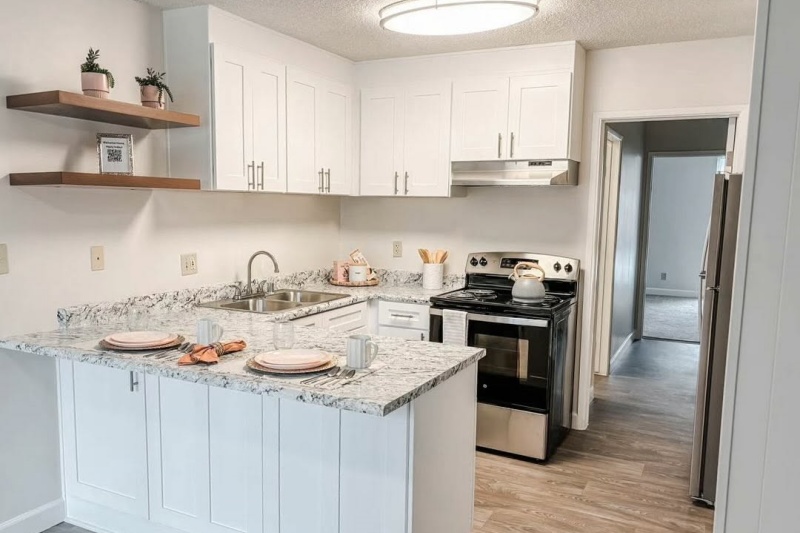
Layout is the foundation of kitchen design and demands extra attention. Poor floor plans are the main cause of unsatisfactory small kitchen renovations. Disregarding the classic kitchen work triangle and standard clear passage width will severely hinder daily use.
Mistake 1: Blindly Adding a Kitchen Island
Many homeowners install fixed islands in small kitchens to gain extra countertop and storage space and enhance aesthetics, yet they sacrifice essential walkway space.
According to official NKBA guidelines, the minimum clear width for a single kitchen walkway is 90 centimeters. The gap between cabinet countertops and an island must be no less than 105 centimeters to ensure fridge doors, oven doors and cabinet doors can open and close freely. For long linear two-wall kitchens and U-shaped small kitchens, adding an island often narrows the walkway to under 60 centimeters. This makes cooking feel cramped, and even bending down to open cabinet doors becomes awkward. This practice should be avoided.
Recommended Design Standards
Mistake 2: Ruining the Kitchen Work Triangle
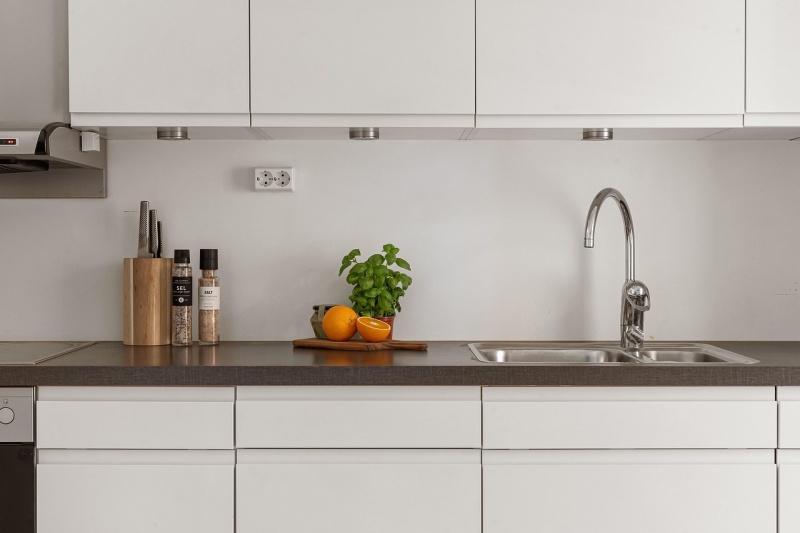
The kitchen work triangle consists of three core zones: refrigerator, sink and cooktop. A common design error for small kitchens is placing the three zones in a straight line with excessive spacing, or positioning them too close together with no extra countertop for food preparation. The ideal arrangement features proper spacing, with a continuous countertop of at least 60 cm between the sink and cooktop as a food prep area.
Avoid layouts that force you to take more than four steps back and forth between washing and cooking areas, which reduces efficiency drastically. Also avoid an overly compact layout with no chopping space between the sink and cooktop, leaving nowhere to place cleaned ingredients. Both designs lead to inconvenience.
Part 2: Cabinet & Storage Mistakes
For small kitchens, the storage principle is to maximize vertical space and eliminate redundant flat areas. Many small kitchens only have base cabinets, while wall cabinets stop short of the ceiling. This wastes valuable vertical overhead space. Improper proportions of depth and height for upper and lower cabinets are another common issue.
Mistake 1: Wall Cabinets Ending at Eye Level with Empty Space on Top
Some homeowners leave dozens of centimeters of empty space above wall cabinets to create a sense of airiness. This is an unnecessary waste of space. The idle top area cannot hold items and easily accumulates cooking fumes and dust, increasing cleaning work. The proper solution is to install floor-to-ceiling wall cabinets. The top section can store bulky, infrequently used items, while the middle and lower sections hold daily cookware for easy access.
Mistake 2: Uniform Depth for Upper and Lower Cabinets
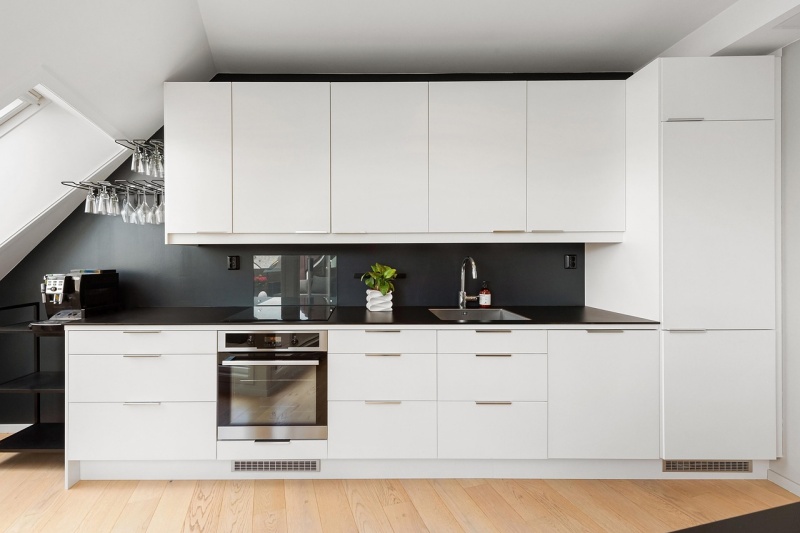
Making upper and lower cabinets the same depth is a typical amateur design flaw. Overly deep wall cabinets create a strong sense of oppression, visually shrinking the kitchen further. They also raise the risk of head bumps during food preparation. Here are the standard cabinet dimensions for reference:
Part 3: Lighting Mistakes
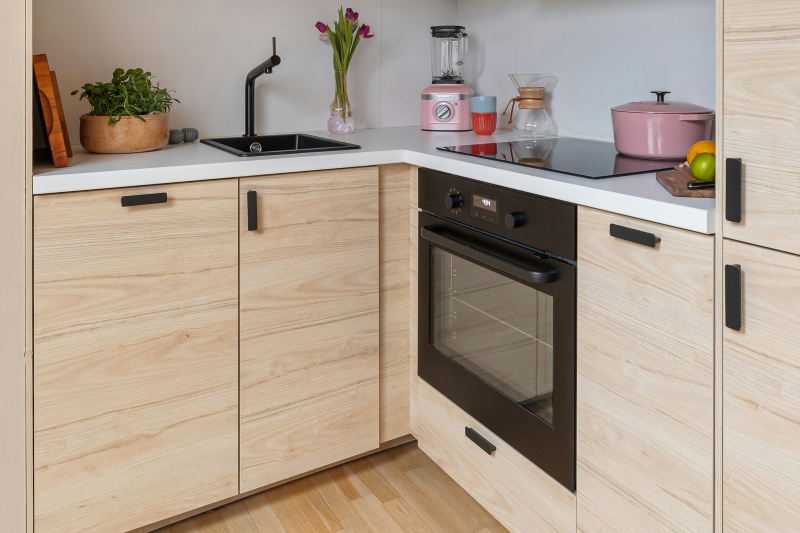
Small kitchens usually have fewer windows and less natural light than large ones. A single central light fixture will ruin long-term comfort. Do not mount the main ceiling light above walkways instead of directly over worktops. Your body will cast shadows over the countertop, leaving work areas dim and raising safety risks such as knife cuts and bumps.
Ideal Lighting Solution for Small Kitchens
Part 4: Common Mistakes in Material & Color Matching
Kitchen cabinets take up around 40% of a kitchen’s visual space, so their color matching plays a vital role. It directly affects how spacious the kitchen appears. Poor color combinations and wrong countertop material choices will ruin the visual perception of cabinetry and compromise the using experience of countertops.
Mistake 1: Overusing Dark Matte Cabinetry
Dark matte cabinets in black, dark grey or navy blue are trendy options nowadays. However, for small kitchens with poor lighting and limited space, large areas of dark tones absorb too much light, making the room feel cramped and gloomy.
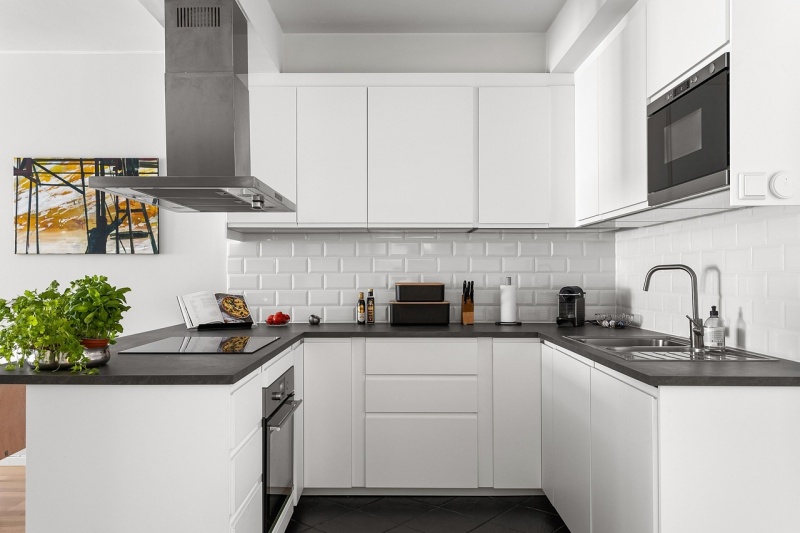
We recommend white flat-panel frameless kitchen cabinets. The minimalist door design and white finish visually expand the kitchen. White is a timeless shade that never goes out of style. Besides, frameless cabinets offer larger internal storage capacity compared with framed ones, which perfectly meets the storage needs of small spaces. If you prefer dark cabinets, opt for two-tone wooden kitchen cabinets with light tones on upper cabinets and dark tones on lower ones to avoid a cramped feel.
Mistake 2: Choosing Natural Marble for Countertops
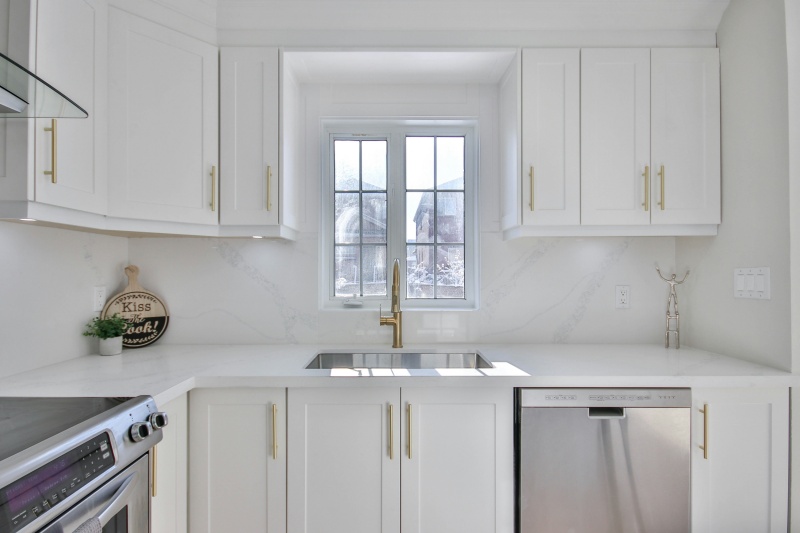
Many people select natural marble countertops to create a high-end look. While it elevates the overall style of the kitchen, its inherent drawbacks cannot be ignored. Natural marble only scores 3 to 4 on the Mohs hardness scale and has natural tiny pores on the surface. Kitchens are exposed to heavy grease, acids and alkalis. Stains like ketchup, vinegar and cooking oil can easily seep into the stone. Even with regular sealing and maintenance, permanent stains will remain. This is a typical design mistake to avoid for small kitchens.
Countertop Material Recommendation: Quartz stone countertops are the ideal choice. They have non-porous surfaces, excellent heat and stain resistance, and a Mohs hardness of 7, making them scratch-resistant and durable against daily bumps. If you love marble patterns, choose marble-imitated quartz stone as a perfect alternative to natural marble, requiring almost no extra maintenance.
Part 5: Common Mistakes in Home Appliances & Soft Furnishings
Mistake 1: Choosing Standard Full-Size Large Appliances
Fitting standard 30-inch built-in ovens, side-by-side refrigerators and large-capacity dishwashers into small kitchens will occupy most of the countertop and cabinet space, leaving no independent food preparation area.
For small kitchens, pick slim built-in refrigerators with narrower width. Choose built-in styles for ovens and dishwashers as well. Store small household appliances inside cabinets when not in use to save valuable countertop space.
Mistake 2: Overcrowded Soft Furnishings & Cluttered Countertops
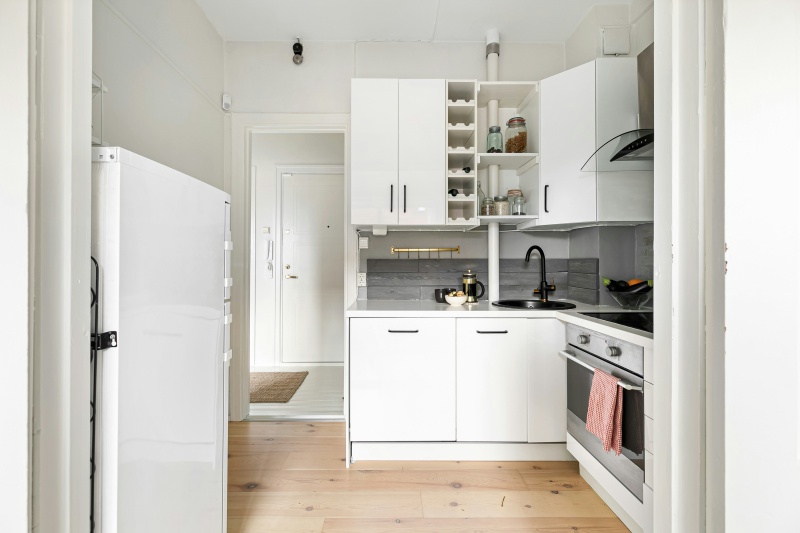
Wall art, potted plants, decorative tableware and exposed small appliances are the biggest pitfalls that ruin the aesthetics of small kitchens. A kitchen is a functional workspace rather than a display area like a living room. Excessive decorations create visual clutter and make the space look more compact.
Core Principle for Soft Furnishings: Keep countertops completely clear except for essential daily items. Store all small appliances in pull-out appliance cabinets and remove all wall decorations. A neat and minimalist look is the best design solution for small kitchens.
Conclusion
The core principles for small kitchen design: Function comes first, aesthetics second, and all items must fit the space perfectly. Do not blindly copy the open kitchen designs for large homes. All layouts, storage solutions, lighting and material selections should serve the whole cooking workflow.
By avoiding the above design mistakes, even a compact kitchen will not feel crowded. As a professional cabinet wholesaler, Union Wood has an experienced design team. We can work with your floor plans to customize the most suitable cabinet solutions, saving you all the trouble of design work.


 Hoja informativa
 English
 IPv6 RED SOPORTADA