
¿QUÉ ESTÁS BUSCANDO?
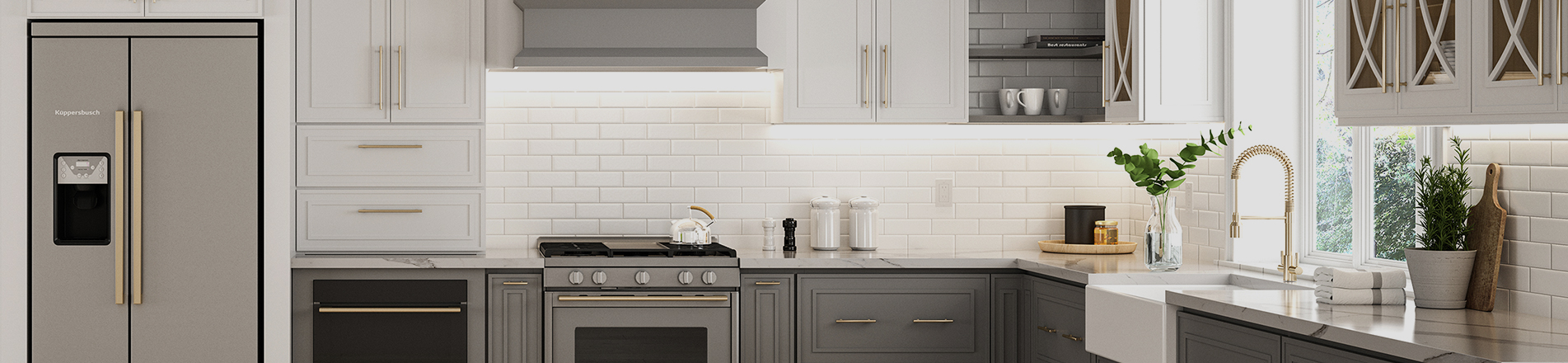
When selecting kitchen cabinets, it is important to consider the differences between various wood materials, as these factors influence the performance and service life of the cabinets, requiring careful consideration. Birch and Rubberwood are two popular mid-range solid wood options that are often compared. Both possess natural beauty and practicality, but they differ in performance. Especially in the kitchen environment, where wood is subjected to greater stress, understanding the differences between Birch and Rubberwood is crucial.
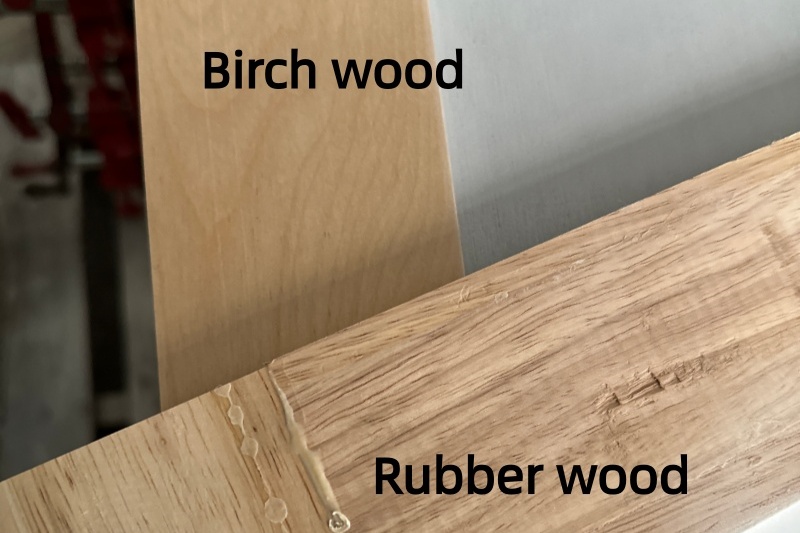
1. Core Differences Between Birch and Rubberwood
Origin and Sustainability
Native to the Northern Hemisphere, Birch grows very quickly and has abundant reserves, making it a renewable biomass material. Due to its growth in cold climates, its texture is dense and its structure is sturdy.
Sourced from the rubber tree, primarily cultivated in Southeast Asia, Rubberwood is a sustainable recycled timber. It is harvested only after the tree stops producing latex, converting an agricultural byproduct into valuable lumber. This enhances resource utilization efficiency and contributes to sustainable development. This eco-friendly circular model makes it a popular choice for green homes.
Physical Properties
| Feature | Birch | Rubberwood |
| Hardness | The wood is relatively hard, offering high mechanical strength and superior scratch resistance. | Moderate hardness, sufficient to meet daily durability needs. |
| Density | Higher density, resulting in a heavy tree trunk. | Lighter in weight, making it easier to install. |
| Color & Grain | Ranges from light brown to reddish-brown, with distinct growth rings that are yellowish-white with a hint of brown. | Light yellowish-brown with distinct growth rings bordered by dark lines. |
| Texture | Straight, clear grain with a slight wavy appearance, providing a clean and elegant visual effect. | Slightly irregular but evenly distributed grain with very few pores, exuding a warm and rustic feel. |
| Stability | Good stability after treatment; however, it is prone to cracking and warping in dry environments. | Excellent stability after treatment, capable of resisting deformation caused by humidity fluctuations. |
Workability of Birch and Rubberwood
It is easy to cut, carve, and sand, resulting in a smooth surface. Stains and paints adhere better to the wood, presenting a superior finish. Additionally, its fine texture is ideal for creating complex cabinet door styles and supports intricate carving techniques.
It possesses good workability, but due to its medium density, although it is easy to cut, it places higher demands on tools. If the cutting tools are not sharp, the surface is prone to tearing or fuzzing. Rubberwood has a high bonding strength with glue and veneer materials, making it suitable for crafting curved cabinet details.
2. Pros and Cons of Birch and Rubberwood
Birch Pros
Birch Cons
Rubberwood Pros
Rubberwood Cons
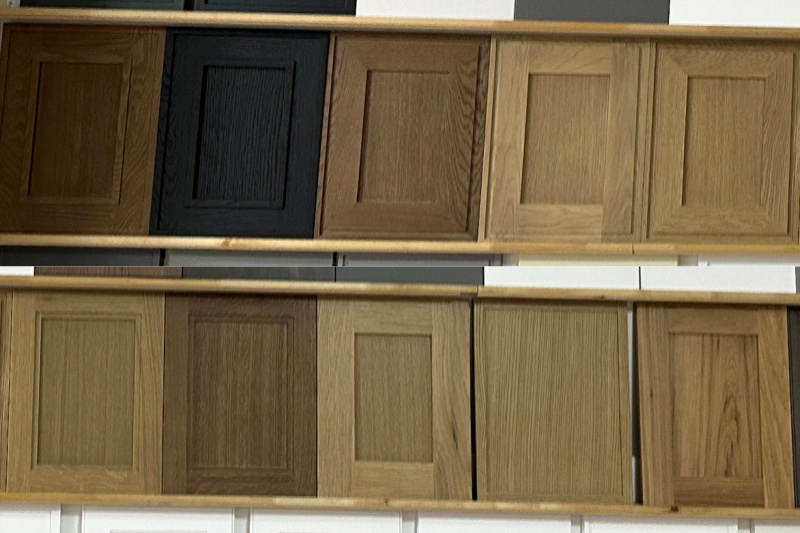
3. Which is Better: Birch or Rubberwood?
Deciding which is better between Birch and Rubberwood requires analyzing multiple aspects and then combining them with your specific needs.
1. Price Aspect
Birch is more expensive than Rubberwood. Because Rubberwood has a higher yield, its price is relatively low. If your project budget is not high, choosing Rubberwood is a better option. Although it is cheaper, it is still a solid wood material with high environmental performance.
2. Collectible Value Aspect
Birch has a very attractive appearance. If you want it for ornamental or collection purposes, Birch is the better choice. After all, Rubberwood is not suitable for long-term storage; it is prone to insect infestation and deformation, so it does not hold much collectible value.
3. Practicality Aspect
Birch requires more effort to maintain. If you want something more practical, Rubberwood is the better choice. Compared to Birch, Rubberwood is relatively more wear-resistant, so it is fine for daily use and does not require spending a lot of time on maintenance.
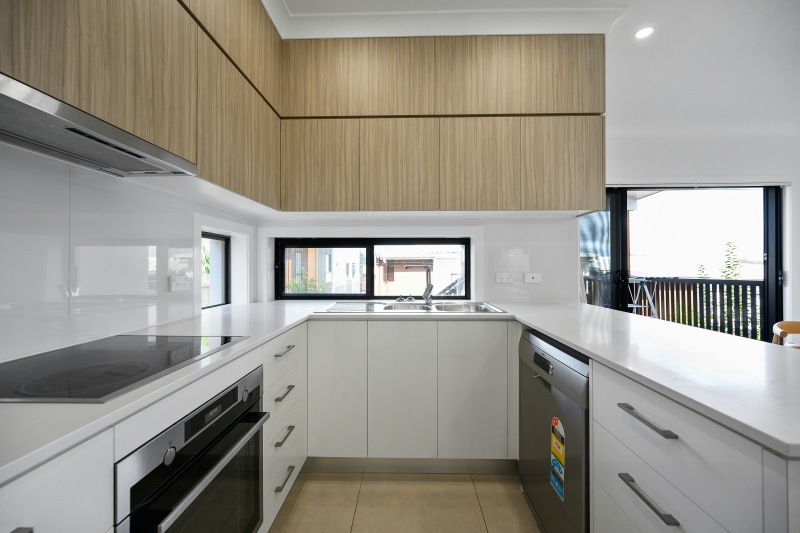
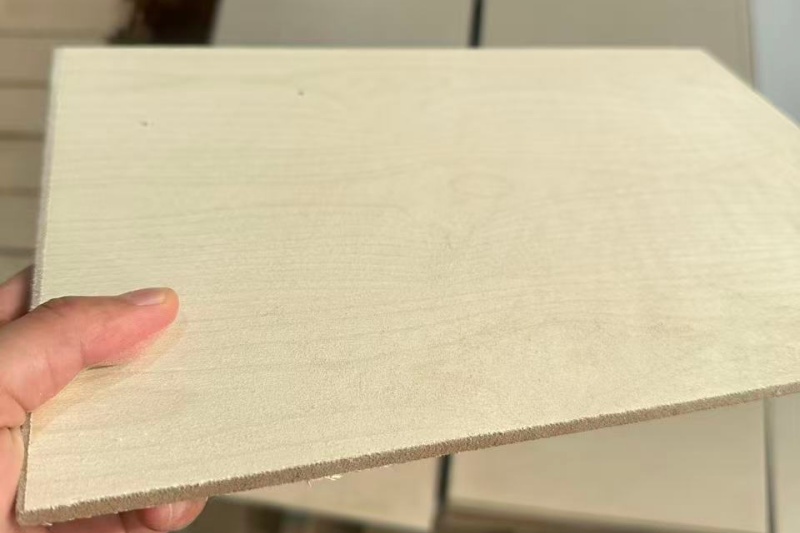
At Union Woods, we help you navigate the challenges of choosing kitchen cabinets and provide professional advice based on your specific needs. Our standard cabinetry is made from birch, which is ideal for plywood and interior finishing materials. If you are looking for a cost-effective cabinet solution, we use rubberwood, which is suitable for particleboard and blockboard.
Shopping Tips
Rubberwood Selection: Beware of misleading terms like "oak." Rubberwood and oak have vastly different properties. Rubberwood is often falsely labeled as "Malaysian Oak" to inflate prices, but its actual cost is very low.
Birch Selection: Inspect hidden areas for cracks and ensure the wood grain patterns on the door panels are consistent.
Choose a Reliable Supplier: Look for clear labeling indicating "solid wood" (not wood veneer) and separate listings for the materials used in the cabinet body, door panels, and shelves. Union Woods not only meets these standards but also provides samples for your reference.
Final Conclusion
Both birch and rubberwood have their own advantages and are suited to different needs and scenarios. Based on their differences, birch is a premium choice for those seeking aesthetics, while rubberwood offers a practical, eco-friendly, and cost-effective alternative. With proper treatment and regular maintenance, cabinets made from either wood can last for decades.


 Hoja informativa
 English
 IPv6 RED SOPORTADA