
¿QUÉ ESTÁS BUSCANDO?
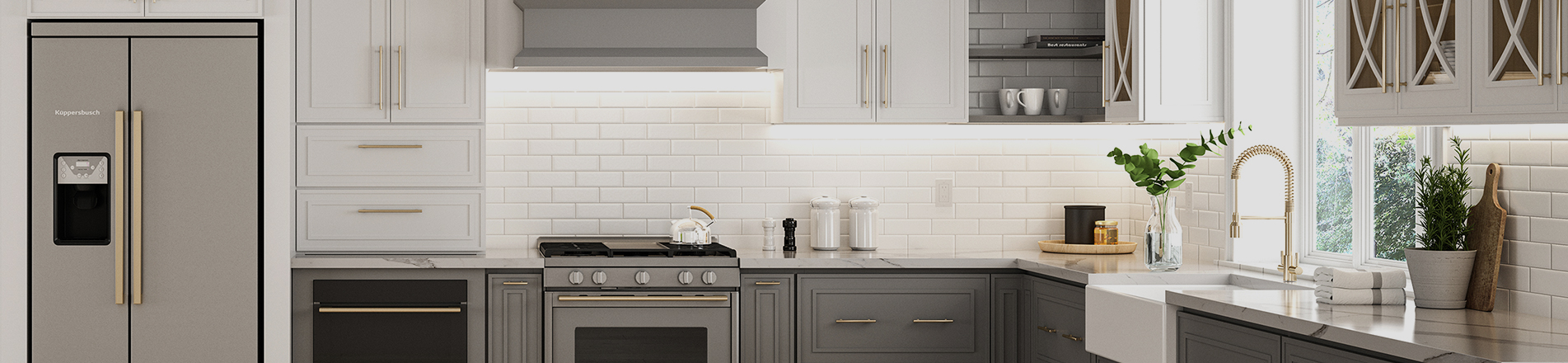
The kitchen is far more than a space for cooking; it is the carrier of family warmth. It is where you gather with friends and share happy moments with your loved ones. To boost comfort in your kitchen, thoughtful layout planning and proper cabinet material selection are essential. Cabinets receive heavy daily use, so ideally they should be durable and attractive to enhance your quality of life.
Two popular engineered wood materials on the market are MDF and plywood, each with distinct strengths and weaknesses. So is MDF board better than plywood for kitchen cabinets? There is no absolute answer. Differences in pricing, performance and internal structure make them suitable for different kitchen scenarios. If we only consider cost-effectiveness, MDF is a viable choice for kitchen cabinets. In terms of physical performance, plywood outperforms MDF for kitchen cabinet applications.
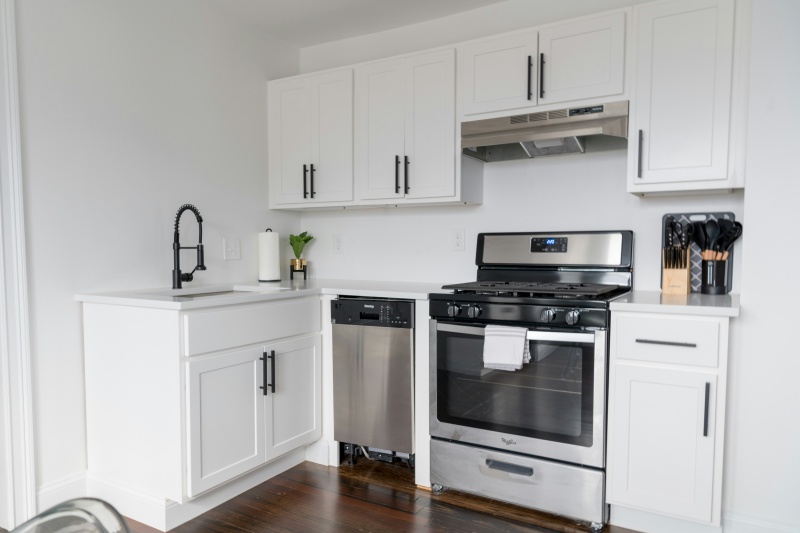
Composition of MDF and Plywood
Before comparing whether MDF works better than plywood for kitchen cabinets, we need to examine their manufacturing processes, which directly determine their structural and functional characteristics.
MDF: Uniform Fibre Structure
Medium-Density Fibreboard (MDF) is an engineered wood product manufactured by blending fine wood fibres (usually hardwood or softwood residuals) with resin binders, then pressing the mixture under high temperature and pressure. Panels made with this process feature consistent density, with no visible wood grain, knots or voids. Even fibre distribution delivers a smooth, flat surface ideal for surface finishing.
However, this homogeneous structure means MDF lacks the layered strength of plywood and is more vulnerable to certain types of damage.
Plywood: Cross-Laminated Veneer Structure
Plywood consists of multiple thin wood veneers bonded together, with grain directions of adjacent layers set perpendicular to one another. This cross-laminated design forms the foundation of plywood’s strength and stability. Premium plywood uses thicker veneers and heavy-duty adhesives.
Alternating grain patterns minimise warping, shrinkage and expansion, granting plywood superior structural integrity compared to MDF. Additionally, plywood naturally displays wood grain, which can be utilised as a key design feature.
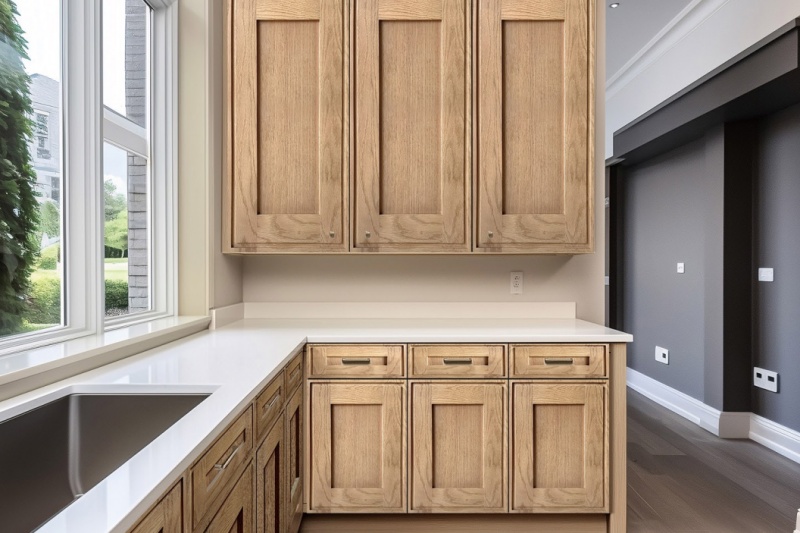
Core Performance Indicators: Evaluation for Kitchen Environments
Kitchens feature heavy foot traffic and elevated humidity, so material performance under such conditions is critical. We will assess MDF and plywood across five key criteria tailored to kitchen use cases to determine whether MDF is preferable to plywood for kitchen cabinets.
Moisture Resistance
Moisture represents one of the biggest threats to kitchen cabinetry, causing warping, swelling and mould growth. Thanks to its cross-laminated structure, plywood achieves better moisture resistance than MDF. Alternating veneer layers slow uniform water absorption. High-grade plywood uses waterproof adhesives such as melamine or phenolic resin to further boost moisture tolerance.
Plywood is not fully waterproof, yet it maintains far better resilience than MDF in humid kitchen zones, especially near sinks, dishwashers and cooking areas.
By contrast, MDF has high porosity and readily absorbs moisture. Prolonged or excessive humidity exposure leads to obvious swelling, warping and long-term deterioration. Even with protective finishing, scratches or cracks on the surface allow water to penetrate the substrate and cause permanent damage.
For this reason, MDF is not recommended for areas with direct water contact, such as the base of sink cabinets. Judging by moisture resistance, plywood is more suitable than MDF for kitchen cabinets.
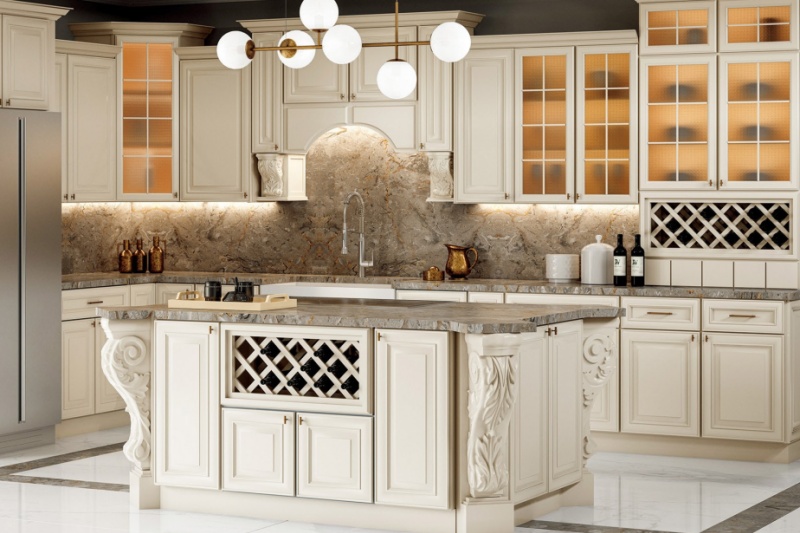
Durability & Structural Strength
Plywood’s cross-laminated construction delivers outstanding tensile and compressive strength, making it more durable than MDF for kitchen cabinets. It withstands impact and resists sagging or deformation under heavy loads such as cookware and canned goods, retaining structural integrity over decades.
This makes plywood perfect for load-bearing cabinet components including cabinet boxes, shelves and drawer fronts. If you seek long-lasting cabinetry, maple-stained Shaker plywood-framed kitchen cabinets are an excellent option.
Although MDF boasts higher density than plywood, its structural strength is lower, especially along panel edges. It tends to chip, crack or dent upon impact, and heavy loads may lead to sagging shelves or cabinet doors. Edge banding can reinforce MDF, yet its long-term durability still cannot match plywood in high-usage kitchens.
That said, MDF’s consistent density makes it less prone to warping than solid timber — a minor advantage over certain natural wood varieties.
Screw Holding Capacity
Screw retention is vital for kitchen cabinets, as hinges, handles and drawer slides undergo constant operation. Plywood’s alternating veneer layers create excellent grip for screws and prevent loosening or pull-out. Multiple wood layers disperse fastener stress, maintaining stable connections even with frequent opening and closing of cabinet doors. American-style plywood-framed kitchen cabinets are the optimal pick for heavily used kitchens.
MDF demonstrates weaker screw holding capacity, particularly at edges. Fine internal fibres cannot anchor screws as effectively as plywood veneers. Improper installation often results in slipping or pulled-out fasteners.
MDF cabinetry usually requires specialised screws, wooden dowels or metal inserts to improve fastening performance, increasing installation complexity. Accordingly, MDF is not ideal for structural components requiring frequent hardware adjustments or heavy fittings. Based on screw retention performance, plywood outperforms MDF for kitchen cabinets.
Surface Finishing & Aesthetic Versatility
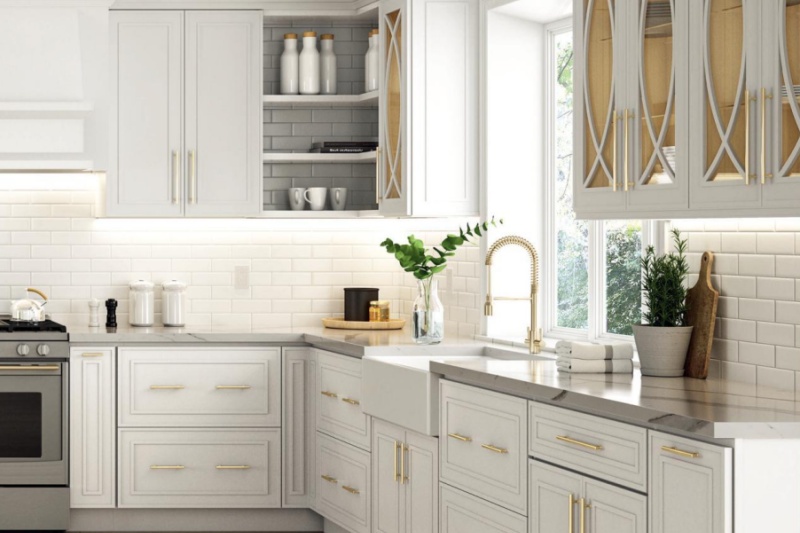
MDF excels in finishing flexibility and is widely favoured for cabinet doors and decorative panels. Its smooth, grain-free surface takes paint exceptionally well, requiring minimal sanding or filling to achieve a flawless painted finish.
MDF can also be easily routed, carved and shaped to produce custom cabinet doors with mouldings or raised panels. It supports a wide range of finishes including thermofoil and melamine, offering nearly unlimited design possibilities. From the perspective of aesthetic diversity, MDF works better than plywood for kitchen cabinets.
Plywood’s inherent wood grain is an attractive design element for vintage and traditional styles, yet extra preparation work is required to achieve a seamless smooth finish. Without adequate priming and filling, grain patterns may show through paint coats, often requiring multiple paint layers or veneer overlays for uniform appearance.
Nevertheless, premium plywood topped with smooth veneer can achieve high-quality finishing, and its natural grain delivers unique warmth and texture impossible to replicate with MDF kitchen cabinets.
Cost Efficiency
MDF provides better cost efficiency, especially for large-scale commercial projects. More streamlined manufacturing processes and utilisation of wood waste keep MDF prices affordable. For clients on a limited budget seeking smooth, customisable finishes, MDF is preferable to plywood for kitchen cabinets.
Plywood generally carries a higher price tag, especially premium multi-ply variants bonded with waterproof adhesives. The extra investment is justified, however: high-quality plywood American standard kitchen cabinets deliver superior durability, moisture resistance and structural strength, representing greater long-term value for heavily used or humid kitchens.
Ideal Application Scenarios for MDF and Plywood
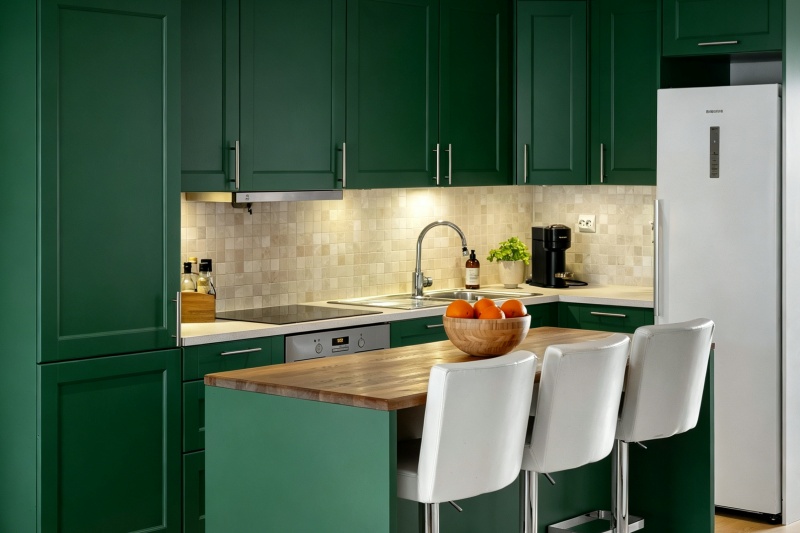
Based on the above analysis, MDF and plywood fit different kitchen applications. Below is a breakdown of their most suitable use cases.
When MDF Is More Suitable for Kitchen Cabinets
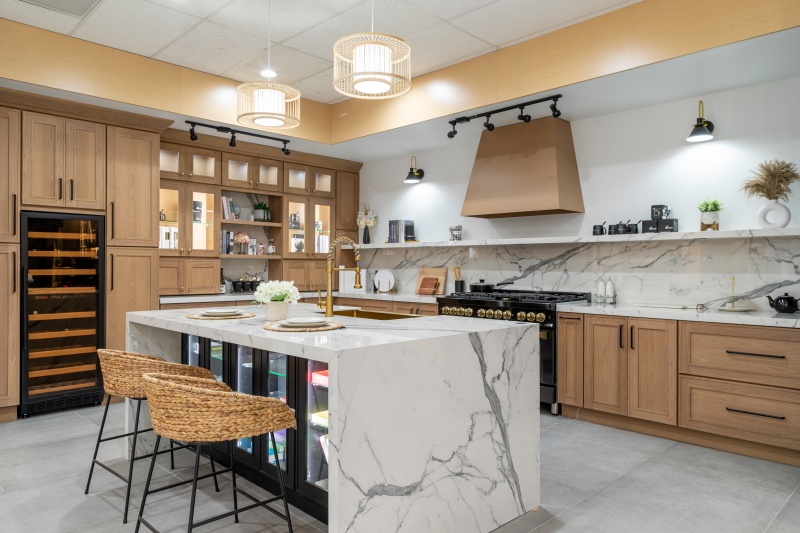
When Plywood Is More Suitable for Kitchen Cabinets
Final Verdict: No One-Size-Fits-All Solution
So, is MDF board better than plywood for kitchen cabinets? The answer depends on your requirements. If you need budget-friendly cabinetry with smooth, customisable finishes for low-humidity areas, MDF is an outstanding option. If you require durable, moisture-resistant material capable of enduring decades of frequent use, plywood is the superior choice.
In many projects, the optimal solution combines both materials: plywood for structural components such as cabinet boxes and shelves, paired with MDF for cabinet doors and decorative panels. This approach leverages plywood’s robustness in load-bearing sections while utilising MDF’s aesthetic flexibility on visible surfaces.
Your selection between MDF and plywood should be guided by kitchen environment, budget and design preferences. Understanding the differences between the two materials allows you to make informed choices ensuring your kitchen cabinets remain functional, durable and attractive for years to come. If you need professional layout advice, Union Woods, a trusted kitchen cabinet supplier, can deliver tailored kitchen solutions aligned with your demands.


 Hoja informativa
 English
 IPv6 RED SOPORTADA