
¿QUÉ ESTÁS BUSCANDO?
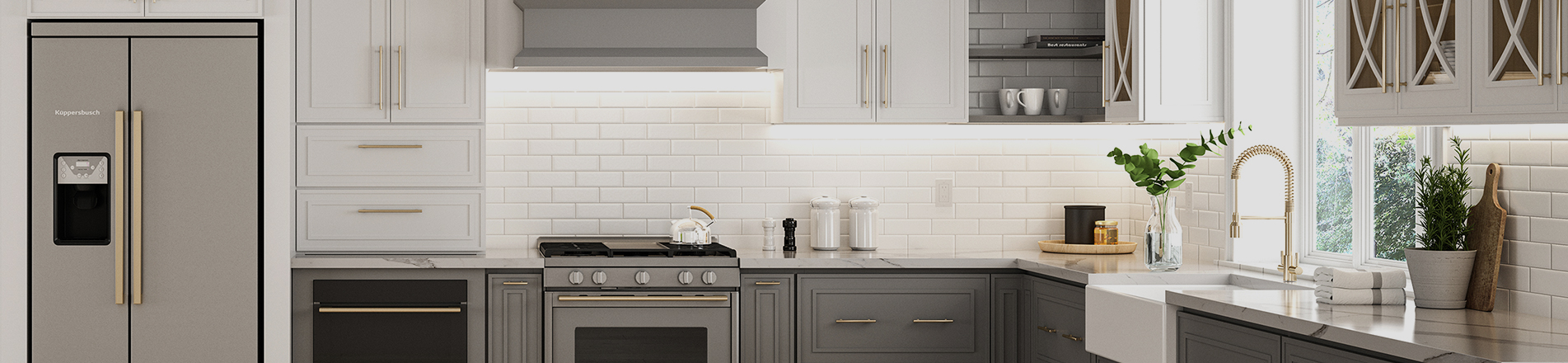
La cocina es el corazón del hogar, pero también una de las áreas que requiere una limpieza más frecuente. Cocinar a diario suele generar manchas de aceite, líquidos derramados y migas de comida. Para hogares con poco tiempo, pasar horas fregando los armarios de la cocina puede ser una verdadera molestia. Elegir el tipo de armarios adecuado que reduzca el tiempo de limpieza es una solución eficaz a este problema. ¿Qué tipo de armarios de cocina son los más fáciles de limpiar?
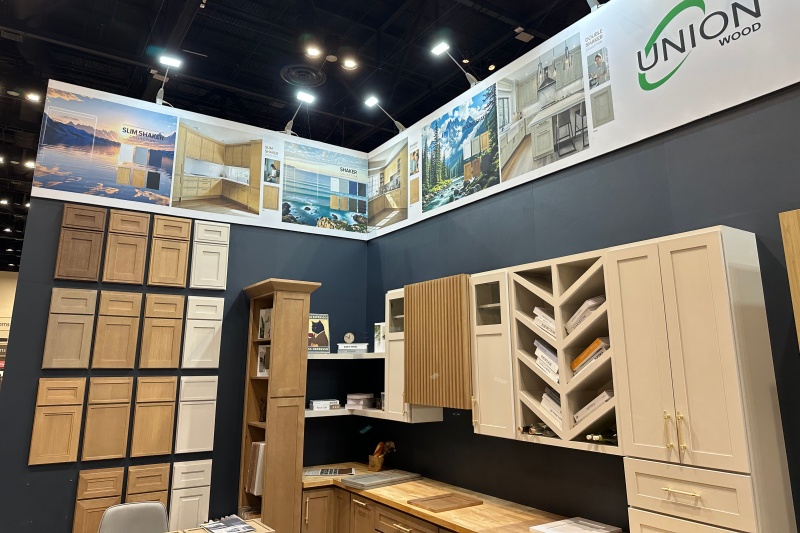
Principios para elegir armarios de cocina fáciles de limpiar
Antes de elegir un estilo de gabinete específico, es fundamental comprender los criterios para una "limpieza fácil". En cuanto al diseño y el material, los gabinetes fáciles de limpiar deben tener las siguientes características:
Basándose en estos principios, podrá seleccionar los armarios de cocina más adecuados y fáciles de limpiar. Al ordenarlos según su facilidad de limpieza, podrá tomar su decisión final de acuerdo con sus necesidades estéticas y prácticas.
Por material: Armarios de acero inoxidable
En lo que respecta a materiales para gabinetes, los gabinetes de cocina de acero inoxidable son insuperables. Este material resiste el crecimiento de bacterias, moho y hongos. Si la facilidad de limpieza es su prioridad, los gabinetes de acero inoxidable son la opción ideal, ya que ahorran tiempo y esfuerzo con una limpieza mínima.
Su superficie no porosa repele la grasa y los líquidos, lo que permite limpiar sin esfuerzo incluso las manchas de aceite más difíciles. Además, el acero inoxidable es ignífugo, resistente a la humedad y a las termitas, solucionando así los problemas más comunes de los armarios de madera.
Consejo: Para minimizar las huellas dactilares visibles y mantener un aspecto elegante y limpio, opta por el acero inoxidable cepillado. Su acabado cepillado disimula bien las huellas dactilares leves, ocultando pequeñas marcas y manteniendo los gabinetes impecables y pulidos.
Consejos de limpieza para gabinetes de acero inoxidable
El acero inoxidable es fácil de limpiar, pero evite usar lana de acero o cepillos de cerdas duras para prevenir rayones. Para el mantenimiento diario, simplemente limpie la superficie con un paño suave y húmedo. Un detergente suave es ideal para eliminar la grasa persistente sin dejar marcas de agua.
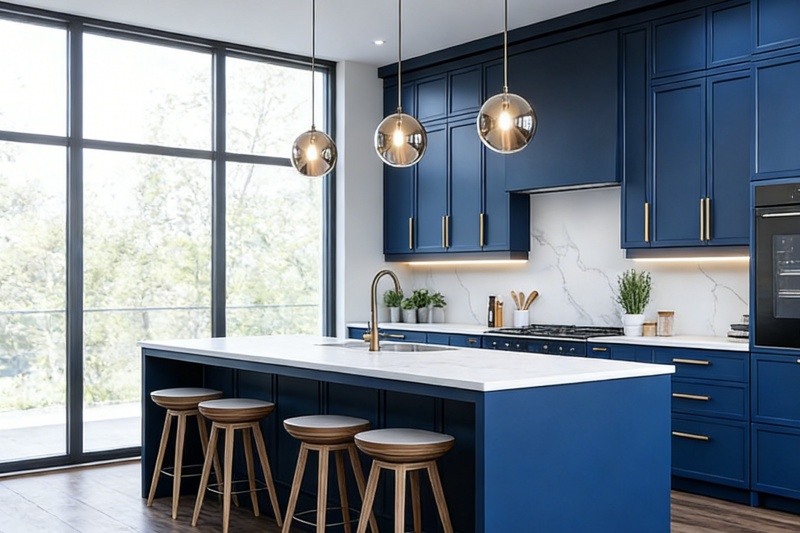
Ventajas y desventajas de los gabinetes de acero inoxidable
Por acabado: Gabinetes de melamina
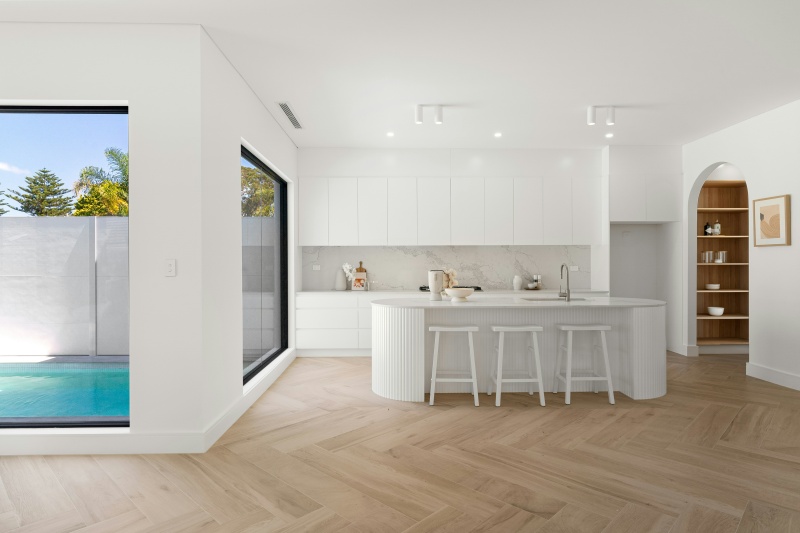
En cuanto a acabados para gabinetes, los gabinetes de melamina destacan por su fácil limpieza. Fabricados mediante la aplicación de papel decorativo impregnado de melamina sobre tableros de partículas o MDF (tablero de fibra de densidad media), los acabados de melamina son conocidos por su excelente resistencia a las manchas, la humedad y los arañazos, lo que los convierte en una opción práctica para cocinas de bajo mantenimiento.
La naturaleza no porosa de la melamina impide que las manchas de aceite se filtren. Está disponible en una amplia gama de colores y diseños, ofrece una gran resistencia a los arañazos y conserva su aspecto impecable incluso con un uso frecuente y prolongado.
Consejos de limpieza para gabinetes de melamina
Los gabinetes de melamina se limpian fácilmente con productos domésticos básicos. Para la limpieza diaria, elimine la mayoría de las manchas de grasa con un paño húmedo empapado en jabón líquido suave. Seque inmediatamente cualquier resto de agua. Evite los limpiadores químicos agresivos para prevenir la decoloración o el daño a la superficie.
Ventajas y desventajas de los gabinetes de melamina
¿Qué diseño de armarios de cocina es el más fácil de limpiar?
Si bien el material y el acabado son factores vitales, el diseño de los gabinetes también influye decisivamente en la facilidad de limpieza. Desde el punto de vista del diseño, los siguientes estilos de gabinetes pueden reducir considerablemente la cantidad de trabajo de limpieza.
1. Gabinetes de cocina de losa
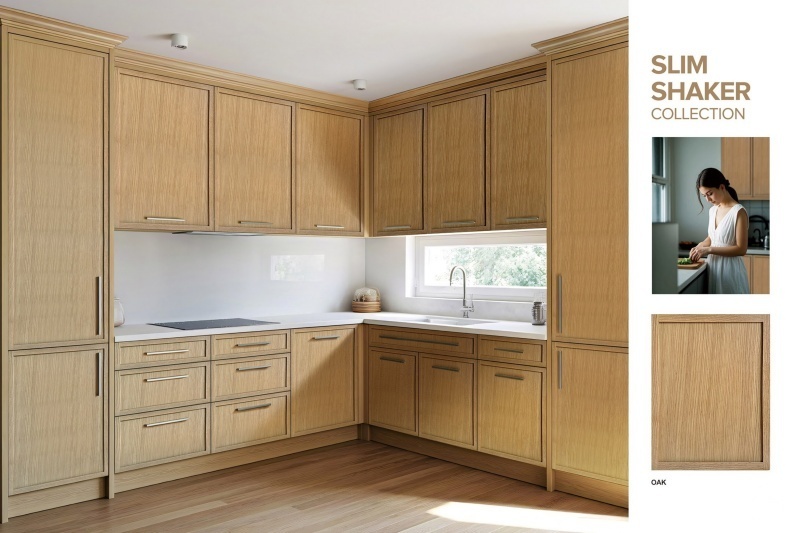
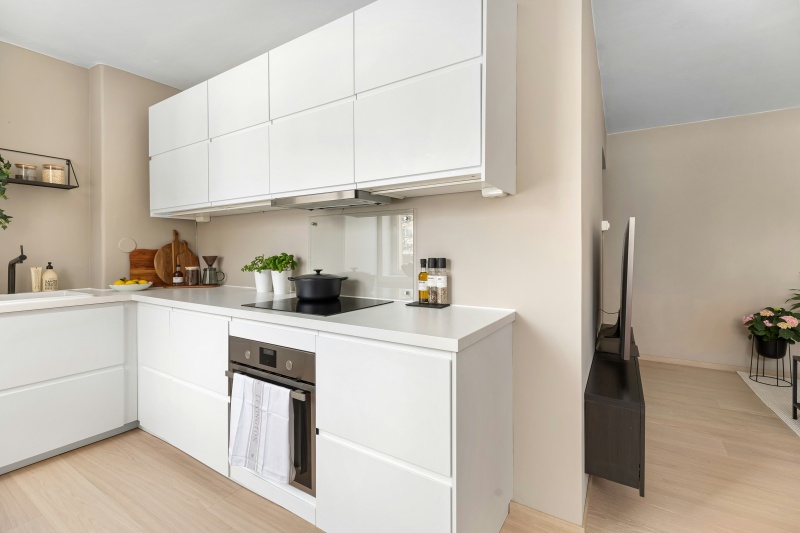
Las puertas de los gabinetes sin marco no tienen paneles en relieve, ranuras ni decoraciones talladas. Son un panel plano, liso y sin juntas que se limpia fácilmente. Dado que las puertas de los gabinetes requieren una limpieza diaria frecuente, los gabinetes sin marco son la opción más práctica.
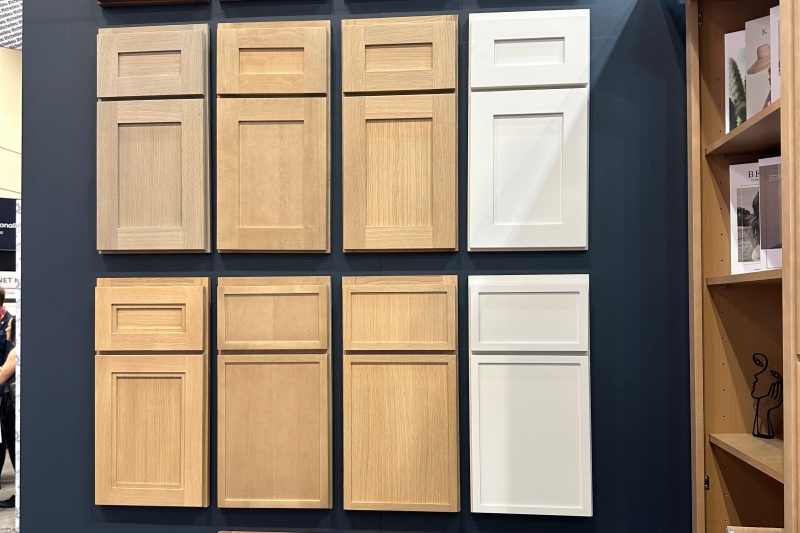
A diferencia de las puertas Shaker o Double Shaker, las puertas lisas no tienen ranuras y eliminan los rincones difíciles de alcanzar para la suciedad. Además, el diseño liso se puede aplicar a todo tipo de materiales de gabinetes.
Los tiradores expuestos de los armarios tradicionales acumulan fácilmente polvo y grasa, lo que requiere una limpieza más frecuente. Por ello, lo mejor es optar por un diseño sin tiradores para los armarios de una sola pieza. La superficie de la puerta permanece completamente lisa y despejada, lo que facilita enormemente la limpieza. El diseño de puerta con borde biselado es la opción más práctica: no se necesitan tiradores adicionales, los armarios se abren y cierran cómodamente y su mantenimiento es muy sencillo.
2. Gabinetes de cocina estilo Shaker delgados
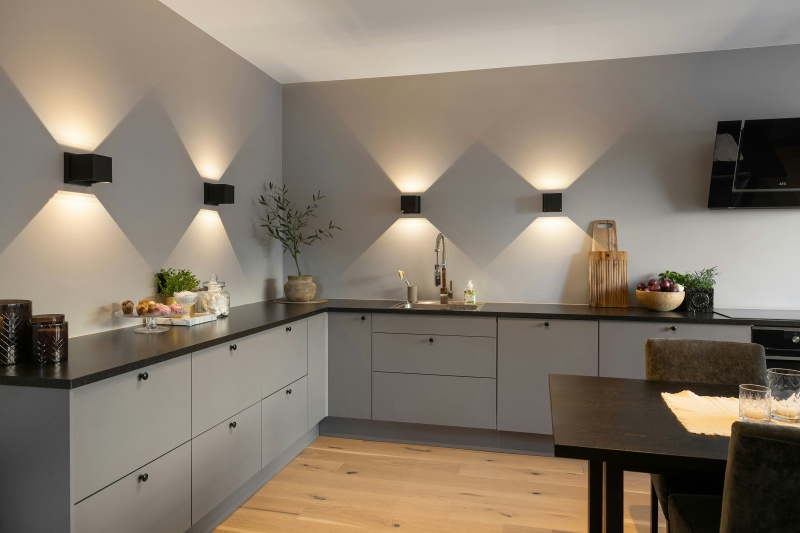
Si los gabinetes lisos te parecen demasiado simples y minimalistas, los gabinetes Slim Shaker son una alternativa ideal. Cuentan con marcos delgados y delicados que aportan una estética sofisticada a la cocina. El panel ligeramente empotrado tiene espacios muy estrechos que apenas acumulan grasa o polvo. Si bien no son tan fáciles de limpiar como los gabinetes lisos, son la opción que requiere menos mantenimiento entre todos los diseños de gabinetes con marco.
Como una versión moderna y mejorada de los gabinetes Shaker tradicionales, los gabinetes Slim Shaker siguen las tendencias actuales del mercado. Eliminan el aspecto voluminoso de los estilos Shaker clásicos, creando una sensación de mayor amplitud y luminosidad en la cocina, ideal para apartamentos pequeños e interiores minimalistas modernos. Al mismo tiempo, conservan la silueta clásica y atemporal del estilo Shaker, con un aspecto elegante y siempre actual.
Se sitúa perfectamente entre los armarios de paneles lisos y los armarios Shaker estándar, combinando sus ventajas y evitando sus inconvenientes.
Consejo: El diseño de armario es el más difícil de limpiar.
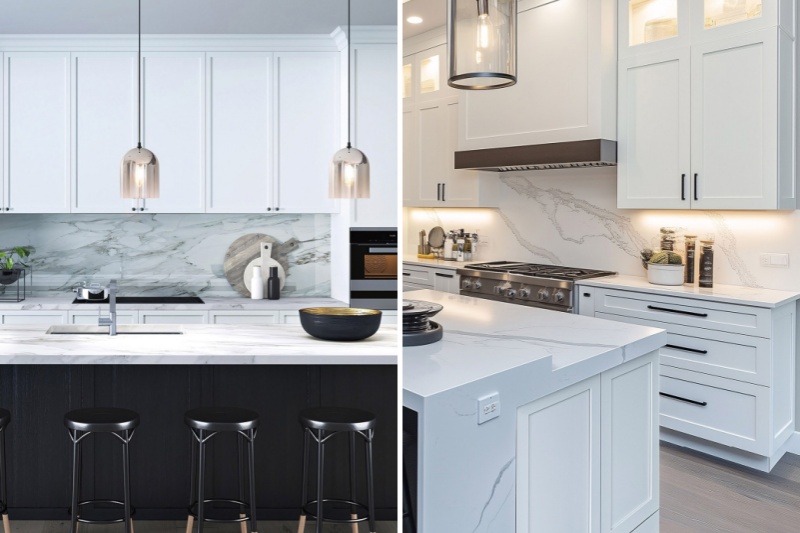
Los armarios con estantes abiertos son los más difíciles de mantener. Al no tener puertas que los cubran, el polvo y la grasa se acumulan fácilmente en los estantes. Los derrames de los artículos almacenados también complican la limpieza; hay que sacar todos los artículos uno por uno para limpiar los estantes, lo cual es extremadamente engorroso.
Si te gusta el estilo de exhibición abierta, opta por vitrinas con puertas de cristal. Te permiten mostrar la vajilla y la decoración, protegen los objetos del polvo y la grasa, y la superficie de cristal se limpia fácilmente con limpiacristales y un paño.
Materiales que debes evitar (si la facilidad de limpieza es tu máxima prioridad)
Si buscas gabinetes de cocina fáciles de limpiar y que requieran poco mantenimiento, evita los siguientes materiales a base de madera. Estos materiales son intrínsecamente difíciles de limpiar y aumentarán considerablemente el trabajo de mantenimiento diario.
1. Madera sin acabado/sin pintar
El contrachapado, el aglomerado y el MDF son compuestos de madera de ingeniería fabricados mediante el reprocesamiento de madera natural. Cuando se dejan sin tratar en el ambiente húmedo de la cocina, son propensos a sufrir daños por humedad y agrietarse, y absorben fácilmente manchas, grasa y humedad. Se requiere un fregado frecuente para mantenerlos limpios.
2. Madera pintada sin capa protectora superior
Incluso la madera pintada sin una capa protectora transparente sigue siendo porosa. La capa de pintura puede desconcharse, decolorarse o mancharse con el tiempo, lo que requiere retoques frecuentes y una limpieza a fondo.
3. Madera de grano abierto
Las maderas como el roble tienen una estructura de grano de poro abierto. Incluso después de un tratamiento de sellado, absorben líquidos y manchas con mayor facilidad que la madera de grano cerrado o los materiales no porosos, lo que exige una limpieza y un mantenimiento rutinario mucho más frecuentes.
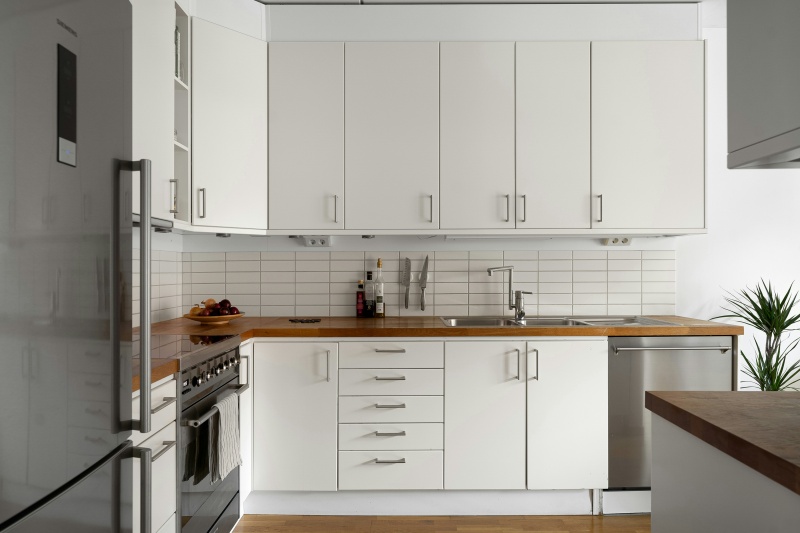
Veredicto final: ¿Qué gabinete es el adecuado para usted?
El tipo de mueble más fácil de limpiar para ti dependerá de tu presupuesto, tus preferencias de estilo y tu estilo de vida. Teniendo en cuenta estos factores, podrás elegir los muebles de cocina perfectos para tu cocina.
La mejor opción en general: Gabinetes de losa
Fácil de limpiar, duradero y elegante, ideal para la mayoría de los propietarios de viviendas.
La mejor opción económica: Gabinetes de melamina
Económico, de bajo mantenimiento y con una amplia gama de opciones de estilo.
La mejor opción en higiene: Armarios de acero inoxidable
Ideal para cocinas domésticas de uso profesional, hogares familiares o cualquier persona que priorice un ambiente estéril. El acero inoxidable cepillado disimula eficazmente las huellas dactilares.
La mejor opción para cocinas pequeñas: gabinetes lisos o estilo Shaker delgados.
Su diseño minimalista hace que los espacios compactos parezcan más amplios, sin perder la facilidad de limpieza.
En definitiva, los armarios más fáciles de limpiar son los que se adaptan a tu estilo de vida, tanto si eres un padre o madre ocupado, un apasionado de la cocina o simplemente alguien que odia fregar. Al optar por materiales no porosos, acabados lisos y superficies resistentes a las manchas, podrás dedicar menos tiempo a limpiar los armarios y más tiempo a disfrutar de tu cocina.
Si tiene en mente un estilo de gabinete favorito, no dude en contactar a Union Wood. Como proveedor profesional de gabinetes de Vietnam, ofrecemos una amplia gama de estilos a precios mayoristas competitivos.


 Hoja informativa
 English
 IPv6 RED SOPORTADA