¿QUÉ ESTÁS BUSCANDO?
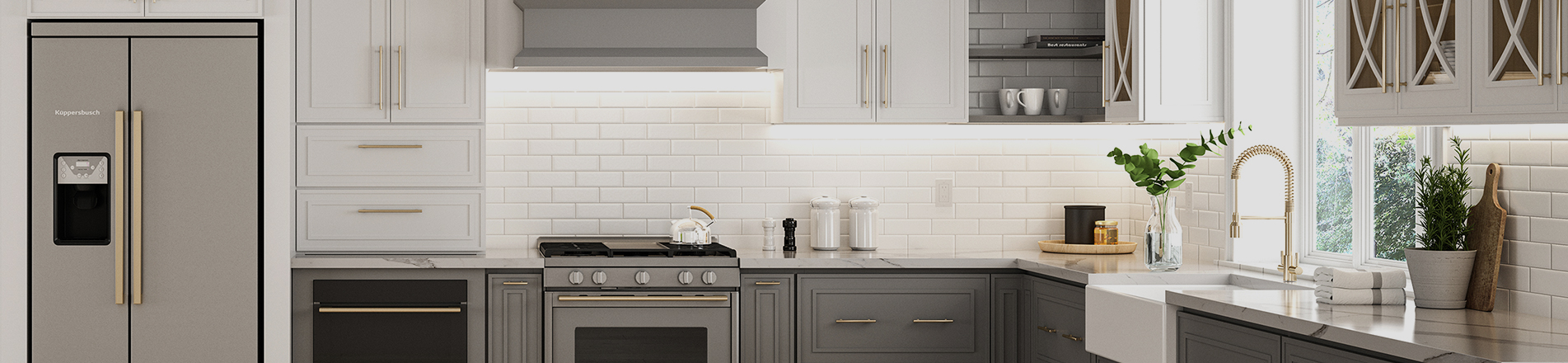
El material base de los gabinetes determina su vida útil. Hoy en día, existe una amplia variedad de materiales, incluyendo acero inoxidable y aluminio. Sin embargo, los gabinetes de madera siguen siendo la opción clásica gracias a su diversidad de estilos y versatilidad. Entre los materiales más comunes se encuentran la madera maciza, el contrachapado, el MDF y el aglomerado. El contrachapado destaca por su excelente resistencia a la humedad y su estructura estable, lo que lo convierte en uno de los materiales más utilizados para gabinetes de cocina.
Como mayoristas de gabinetes vietnamitas, utilizamos madera contrachapada como material estándar para todos nuestros gabinetes. Su estructura única se adapta bien a ambientes húmedos y ofrece una excelente relación calidad-precio. También ofrecemos soluciones de materiales personalizadas, con opciones como roble, arce y MDF para los gabinetes.
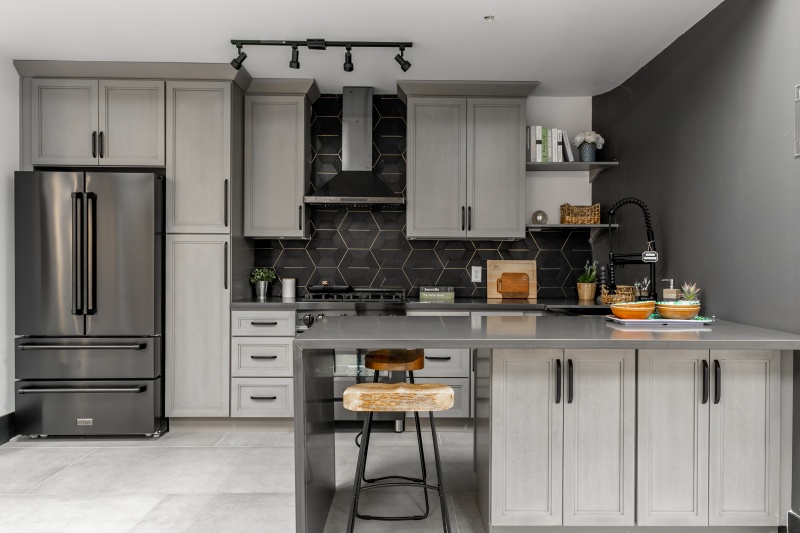
Definición de madera contrachapada de calidad para ebanistería
El contrachapado para ebanistería es un tipo de madera de ingeniería laminada cruzada. Se fabrica uniendo finas chapas de madera con adhesivos estructurales, de manera que la veta de las chapas adyacentes sea perpendicular entre sí. Esta estructura distintiva lo diferencia de otros tableros de ingeniería y sienta las bases de su superior estabilidad estructural. El contrachapado de uso general para la construcción está estrictamente prohibido en la fabricación de ebanistería.
1. ¿Por qué el contrachapado funciona bien en entornos de cocina?
La madera maciza posee una gran capacidad de carga y puede prolongar la vida útil de los gabinetes, pero se expande y contrae notablemente con los cambios de humedad ambiental. En cambio, el contrachapado estándar para gabinetes prácticamente no presenta variación dimensional ante las mismas fluctuaciones de humedad típicas de las cocinas.
Las cocinas presentan condiciones en constante cambio: la humedad de los fregaderos, los gases de escape de los lavavajillas, las variaciones estacionales de humedad y las altas temperaturas recurrentes de la cocción imponen exigencias rigurosas a los materiales de los gabinetes. La estructura laminada cruzada del contrachapado contrarresta la tensión de deformación unidireccional de la madera, previniendo eficazmente los problemas comunes que se observan en los gabinetes de madera maciza y aglomerado, como la deformación de los cuerpos, las puertas atascadas, los cajones desalineados y las juntas agrietadas.
2. Clasificación de los tipos de madera contrachapada
No todos los tipos de madera contrachapada son aptos para su uso en la cocina. De acuerdo con las normas de clasificación oficiales de la Asociación Nacional Estadounidense de Pisos y Gabinetes de Madera, la madera contrachapada se clasifica en los siguientes tipos:
3. Espesor estándar del contrachapado de calidad general para ebanistería.
El grosor necesario del contrachapado varía según la posición y el tipo de mueble, que se divide en dos categorías principales: muebles con marco y muebles sin marco.
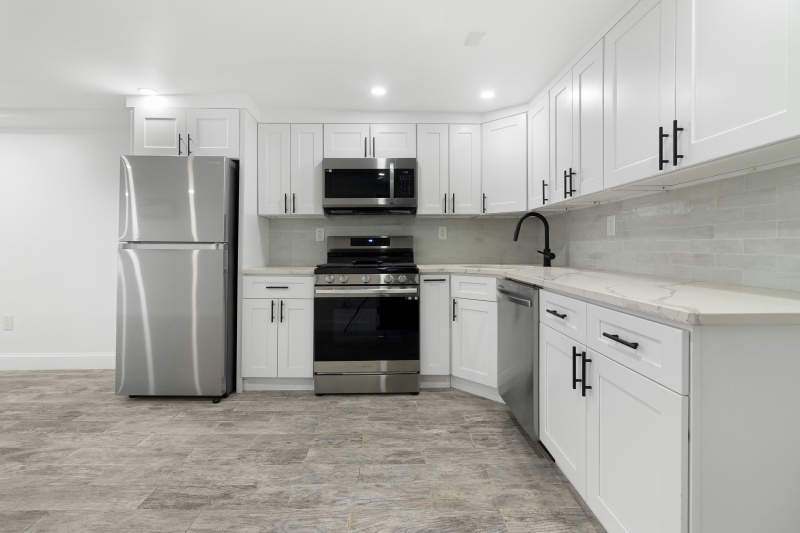
Razones por las que el contrachapado es la mejor opción para los gabinetes de cocina
El contrachapado se ha convertido en el material preferido para los armarios de cocina debido a su excelente rendimiento y precio competitivo, además de múltiples ventajas prácticas:
1. Excelente resistencia a la humedad
Las cocinas son espacios con alta humedad, constantemente expuestos al vapor de agua y a las manchas de grasa. Gracias a su estructura especial, el contrachapado resiste eficazmente la humedad y rara vez se deforma o alabea, incluso en condiciones húmedas. Es especialmente ideal para zonas propensas a la humedad, como debajo de los fregaderos y junto a los lavavajillas.
2. Alta resistencia y capacidad de carga
La durabilidad de los gabinetes también está relacionada con los herrajes. El contrachapado tiene una gran capacidad de sujeción de tornillos, lo que garantiza una instalación firme de bisagras, tornillos y soportes para estantes con poco riesgo de que se aflojen. Su estructura multicapa distribuye la tensión de manera uniforme, ofreciendo una gran resistencia a la flexión y al agrietamiento. Puede soportar fácilmente objetos pesados como utensilios de cocina y electrodomésticos, manteniendo la estabilidad y durabilidad de los gabinetes.
3. Buena facilidad de uso
El contrachapado es fácil de cortar, taladrar y lijar, con un mínimo de astillado en los bordes. Es ideal para la fabricación de componentes complejos de armarios, como puertas curvas y cajones irregulares, adaptándose a diversos requisitos de diseño. Su fácil procesamiento también contribuye a controlar los costes de producción.
4. Mayor relación costo-beneficio que la madera maciza.
El contrachapado ofrece un rendimiento comparable al de la madera maciza a un menor coste. Si bien su precio es superior al del MDF y el aglomerado, ofrece una vida útil más larga y un mejor rendimiento general, lo que lo convierte en una excelente inversión.
5. Propiedades ecológicas
El contrachapado de alta calidad utiliza adhesivos ecológicos con un contenido de pegamento mucho menor que el MDF y el aglomerado. Presenta emisiones de formaldehído extremadamente bajas, cumpliendo con las normas medioambientales estadounidenses CARB P2 y europeas E0. Es seguro para uso doméstico, incluso para familias con niños y mujeres embarazadas.
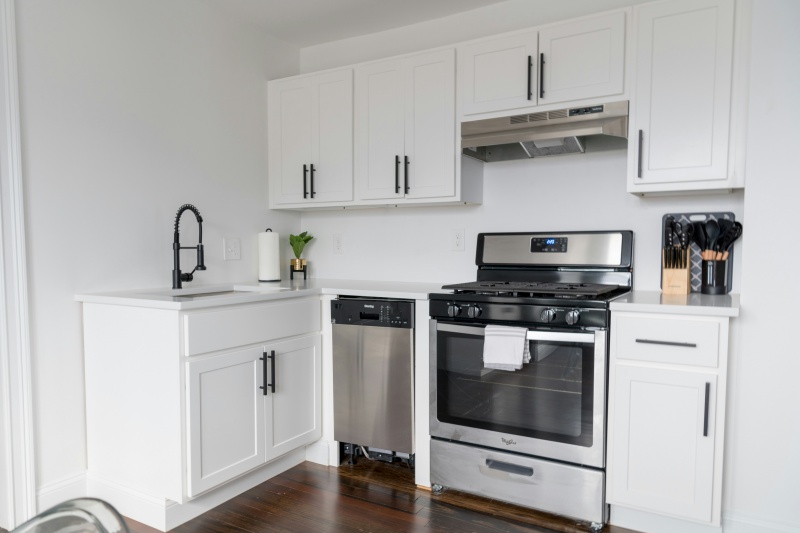
Desventajas de usar madera contrachapada para gabinetes de cocina
La principal desventaja del contrachapado es su menor planitud superficial en comparación con el MDF y el aglomerado, lo que puede provocar ligeras irregularidades o vetas de madera inconsistentes. Al utilizarse para puertas de armarios, esto puede afectar a la estética general. Este problema se puede solucionar mediante el enchapado, la pintura y otros procesos de acabado.
Contrachapado frente a otros materiales comunes para armarios de cocina
| Material | Resistencia a la humedad | Fuerza de sujeción de tornillos para hardware | Capacidad de carga | maquinabilidad | Costo |
| Contrachapado de madera dura | Excelente | De primera categoría | Alto | Bien | Medio-alto |
| Tablero de partículas | Pobre | Débil | Medio | Promedio | Bajo |
| MDF | Muy pobre | Medio | Medio-bajo | Más fácil de mecanizar | Medio |
| Madera maciza | Bien | De primera categoría | Muy alto | Relativamente difícil de mecanizar | Alto |
| Contrachapado de calidad marina | Totalmente impermeable | De primera categoría | Por encima del promedio | Difícil de mecanizar | Medio-alto |
Escenarios de cocina adecuados e inadecuados para el uso de madera contrachapada
Escenarios de cocina donde se prefiere el contrachapado
Proyectos de cocina donde no se recomienda el uso de madera contrachapada.
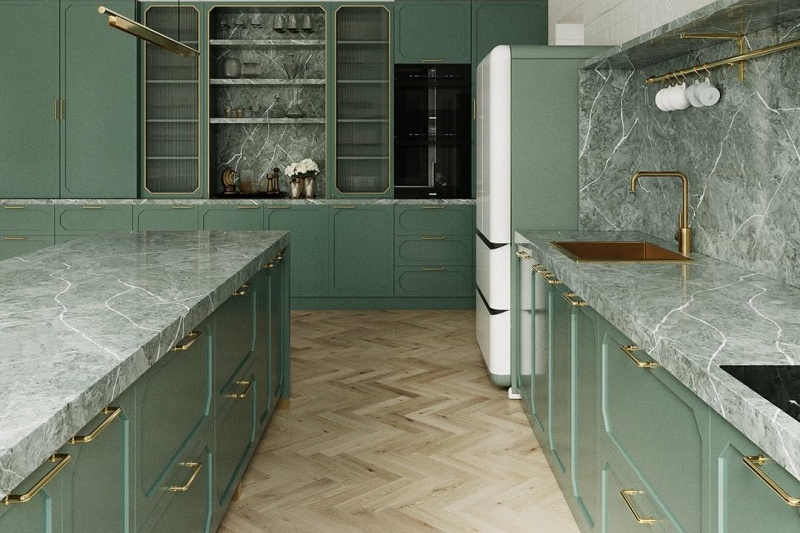
Selección de armarios de madera contrachapada para diferentes diseños de cocina
Cocinas pequeñas: Armarios de cocina de madera contrachapada blanca pintada. Son la mejor opción. El acabado blanco ilumina el espacio, mientras que el diseño de paneles planos ofrece un aspecto minimalista sin resultar voluminoso ni pesado. También se aceptan otros estilos de gabinetes de colores claros. No se recomiendan los gabinetes de madera contrachapada oscura mate.
Apartamentos amplios y cocinas de planta abierta: Opciones como Armarios de cocina azules delgados de madera contrachapada estilo shaker y Armarios de cocina dobles estilo Shaker con marco de madera contrachapada pintada de blanco. Son altamente recomendables. Los diseños de puertas en capas aportan profundidad a los espacios amplios y evitan una apariencia monótona. No hay riesgo de que el espacio se sienta estrecho, independientemente del color elegido.
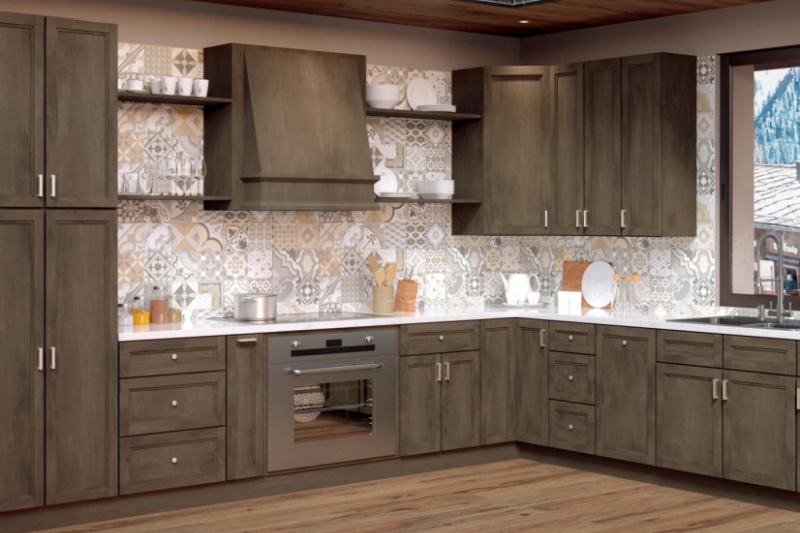
Resumen: ¿Es el contrachapado adecuado para los armarios de cocina?
El contrachapado destaca como el mejor material de madera de ingeniería para gabinetes de cocina en viviendas residenciales. Ofrece un equilibrio entre estabilidad estructural, resistencia a la humedad, durabilidad de los herrajes, respeto al medio ambiente y un precio razonable. Sus ventajas integrales no pueden ser igualadas por la madera maciza, el MDF ni el aglomerado.
Cuando se adquieren de fabricantes de gabinetes calificados con madera contrachapada de primera calidad, los gabinetes de madera contrachapada terminada superan con creces en durabilidad a los productos de madera de ingeniería de gama económica. Como mayorista de gabinetes vietnamita de renombre, Union Wood ofrece productos de madera contrachapada con una vida útil de más de 20 años. Para renovaciones de bajo costo o propiedades destinadas a la reventa a corto plazo, el aglomerado es una alternativa más económica.


 Hoja informativa
 English
 IPv6 RED SOPORTADA